Planning Meals: How to Use Whole Cuts and Minimise Waste
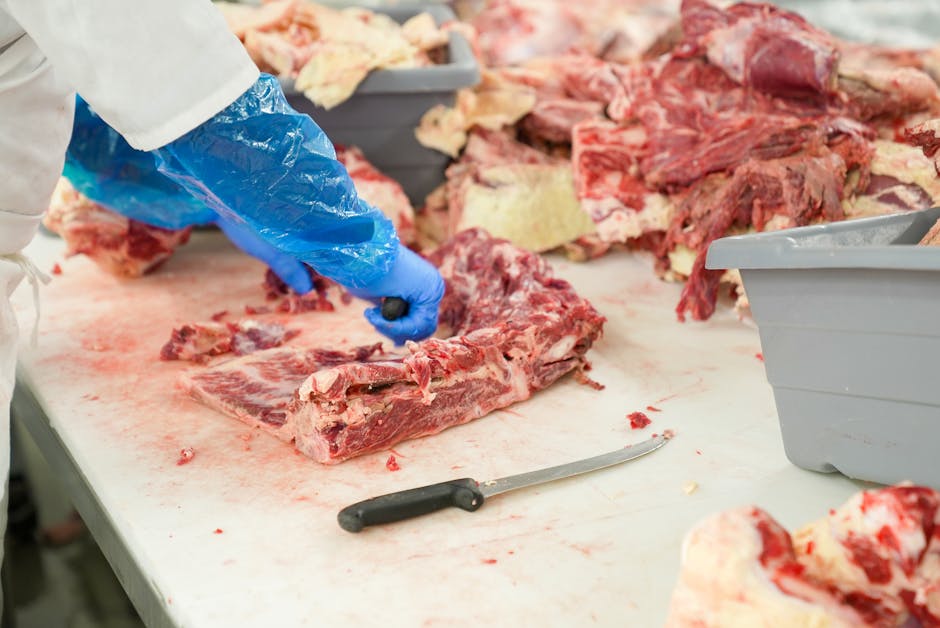
Buying whole cuts from your butcher offers better value, superior quality, and the satisfaction of using every part of the animal. With a bit of planning, you can transform a single purchase into multiple delicious meals.
Understanding Whole Cuts
A whole cut might be a complete joint, a whole rack, or an entire side of meat. Rather than buying pre-packaged portions, you purchase the whole thing and use it multiple ways. This approach requires planning but delivers better flavour, lower cost per portion, and minimal waste.
Planning Before You Buy
Before purchasing a whole cut, plan how you'll use it. A beef rib can be roasted as a joint, then bones can become stock, and trimmings become mince or stew meat. A whole pork shoulder can be roasted, shredded for pulled pork, or made into sausages. Write down your intended uses before shopping.
The Butcher's Role
Tell your butcher how you plan to use the meat. They can trim it appropriately, cut it into sections, and prepare bones for stock. This personalised service is invaluable. They might suggest uses you hadn't considered and prepare everything ready for cooking.
Maximising Every Part
Bones aren't waste—they're the foundation for rich stock that forms the basis of soups and sauces. Trimmings become mince for burgers or meatballs. Tougher cuts become stews or braises. Offal like liver and kidneys are nutritious and delicious when properly prepared. Nothing needs to be wasted.
Storage Strategy
You can't use everything immediately, so plan your storage. The main joint goes in the fridge for cooking within days. Freeze portions you won't use immediately in airtight containers, properly labelled with contents and date. Bones for stock can be frozen until you have time to make it.
Meal Planning Integration
Plan your weekly meals around your whole cut. Perhaps Monday features the roasted joint with vegetables. Tuesday uses leftover meat in sandwiches or salads. Wednesday might be meatballs or burgers from the mince. Thursday could be a stew using tougher cuts. This integrated approach uses everything and provides variety.
Making Stock
Bones and trimmings make excellent stock. Simmer them with vegetables and herbs for several hours. The resulting stock is vastly superior to shop-bought versions and costs virtually nothing. Freeze it in portions for future use in soups, risottos, and sauces.
Economic Benefits
Buying whole cuts costs less per kilogram than pre-packaged portions. When you account for the free stock and minimal waste, the savings are substantial. Over a year, this approach significantly reduces your food budget.
Sustainability Aspect
Using whole cuts respects the animal. Nothing is wasted, and you're using the entire animal rather than just premium cuts. This approach aligns with ethical eating and minimises environmental impact.
Building Skills
Using whole cuts develops your cooking skills. You learn to recognise different cuts, understand cooking methods, and become more confident in the kitchen. These skills enhance your cooking for years to come.
Planning meals around whole cuts transforms shopping into a rewarding practice that saves money, reduces waste, and improves the quality of what you eat.