How to Choose the Right Cut of Beef for Your Roast Dinner
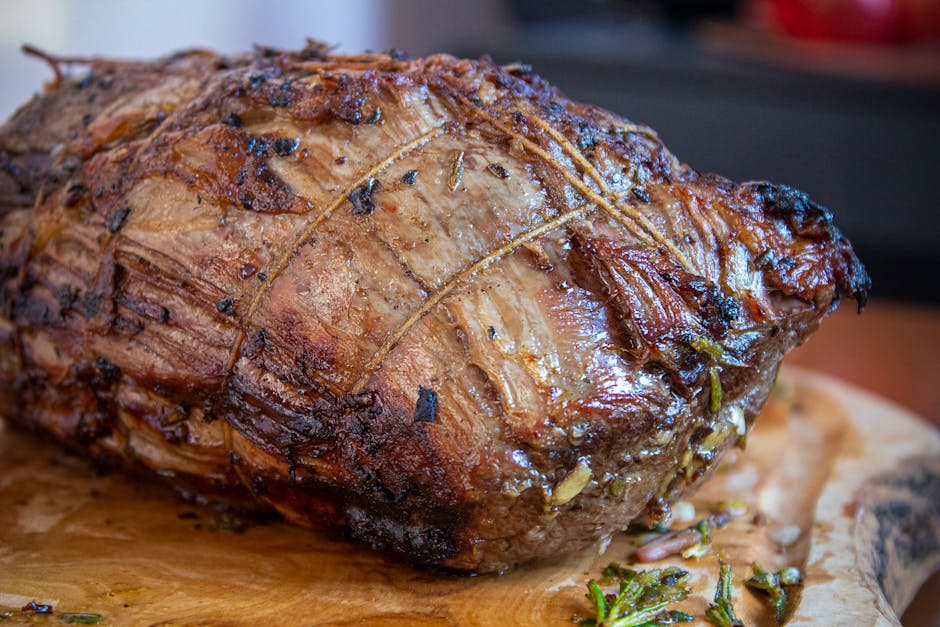
A perfect Sunday roast starts with choosing the right cut of beef. Whether you're cooking for two or ten, understanding the differences between cuts will help you create a memorable meal.
The Classic Roasting Cuts
Rib is perhaps the most popular choice for a traditional roast. It's well-marbled with fat running through the meat, which keeps it moist and flavourful during cooking. A standing rib roast is impressive and relatively forgiving if you're new to roasting.
Sirloin is leaner than rib but still offers excellent flavour. It's a good choice if you prefer less fat, though it requires careful cooking to avoid drying out. Topside and silverside are budget-friendly options that work well for larger gatherings.
Size and Weight Matters
A good rule of thumb is to allow 200-250 grams of bone-in meat per person. Boneless cuts can be slightly less. Speaking with your butcher about your guest count helps them recommend the perfect size. A joint that's too small leaves people hungry, whilst one that's too large means wasteful leftovers.
Quality Indicators
When selecting beef, look for deep red colour and good marbling—those white lines of fat throughout the meat. Avoid cuts that look pale or have excessive surface moisture. The meat should smell fresh and pleasant. Your local butcher can point out the best examples and explain what to look for.
Timing Your Purchase
Order your roast at least a week in advance, especially during busy periods like Christmas. This ensures your butcher has time to source a quality joint and age it properly. Properly aged beef develops better flavour and tenderness than meat sold immediately after butchering.
Storage Before Cooking
Store your beef on the bottom shelf of the fridge to prevent drips onto other foods. Remove it about 30 minutes before cooking to bring it closer to room temperature, which helps it cook evenly. Pat it dry with kitchen paper before roasting for better browning.
Ask Your Butcher
Don't hesitate to ask questions. Your local butcher has years of experience and can recommend cuts based on your cooking method, oven size, and personal preferences. They can also advise on cooking times and temperatures specific to your chosen cut.
Choosing the right beef cut transforms your roast from ordinary to exceptional. Visit your local butcher, discuss your plans, and let their expertise guide your selection.